
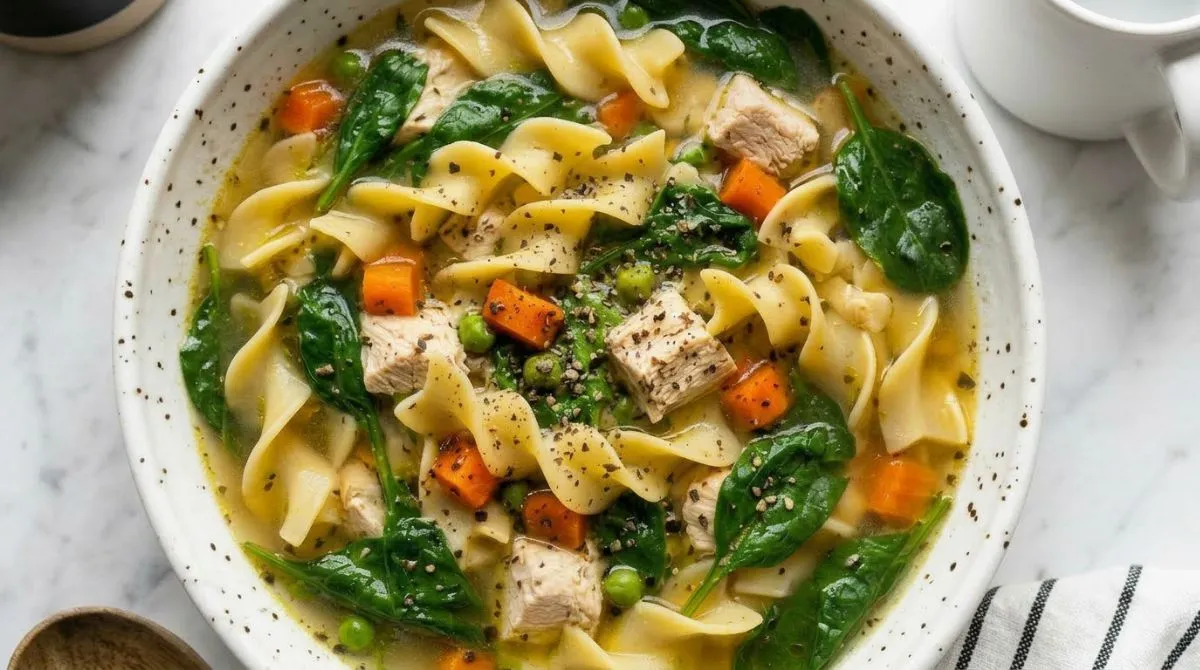
Low Sodium Chicken Noodle Soup Recipe (Heart-Healthy & Actually Delicious)
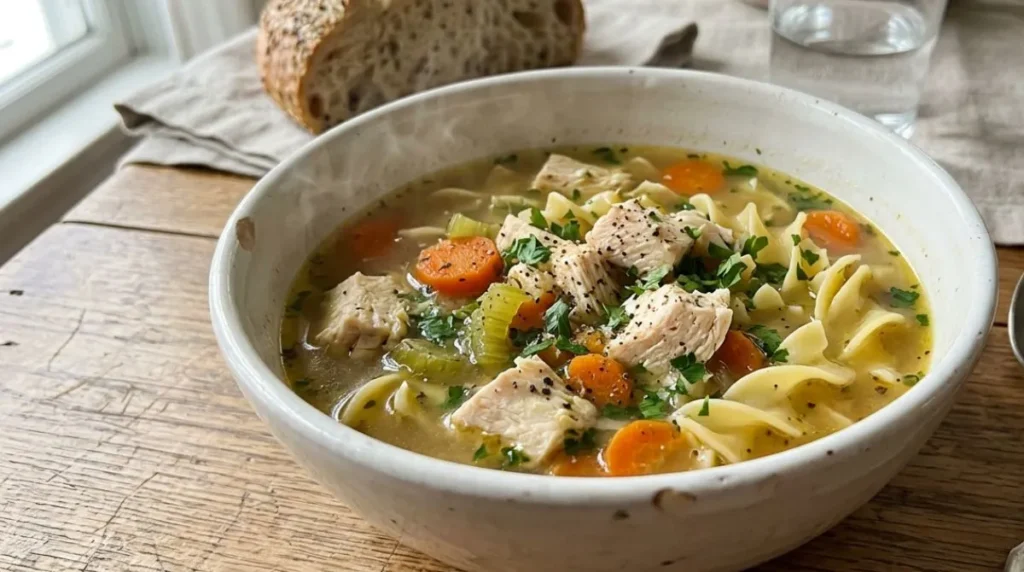
Let’s be completely honest: finding a truly delicious low sodium chicken noodle soup usually feels impossible, because most of them taste like warm, sad water.
If you or a loved one have recently been told by a doctor to watch your blood pressure, you probably know exactly what I mean. I remember buying my first can of “diet” soup, hoping for that nostalgic, comforting hug in a bowl. Instead, it tasted like wet cardboard. I actually considered giving up soup forever.
But you shouldn’t have to choose between protecting your heart and enjoying a delicious, soul-warming meal.
That’s exactly why I spent weeks perfecting this low sodium chicken noodle soup. This isn’t just a watered-down version of a classic recipe. It is a carefully crafted, flavor-packed masterpiece built from the ground up using smart culinary techniques.
By focusing on fresh aromatics, the right kind of acid, and a rich no salt added broth, we are going to trick your tastebuds into not even missing the salt shaker.
The Sodium Reality Check:
Did you know that a single cup of regular canned soup can contain upwards of 890 mg of sodium? Even if you buy a popular brand like Campbell’s low sodium chicken noodle soup, you are still consuming a significant amount of salt per serving. The best part about making this low salt chicken noodle soup at home? A massive, comforting bowl contains less than 70 mg of sodium.
Get ready to fall in love with soup all over again.
Why You’ll Love This Recipe (At a Glance):
- Heart-Healthy: Only 65 mg of sodium per serving, making it the ultimate healthy chicken noodle soup for your diet.
- Fast & Easy: Ready in just 50 minutes from start to finish.
- Flavor-Packed: Uses fresh herbs and citrus instead of salt.
- Meal-Prep Friendly: Freezes beautifully for quick lunches.
- Family-Approved: It tastes so rich and savory that the whole family will love it. No more cooking two separate meals!
Table of Contents
The Health Benefits: Why Switch to Low Sodium Soup?
When you are craving comfort food, nutrition is usually the last thing on your mind. But when it comes to heart health, what you leave out of the pot is just as important as what you put in.
Understanding Daily Sodium Limits
The American Heart Association (AHA) recommends that most adults consume no more than 2,300 milligrams of sodium per day. However, for those managing high blood pressure or heart disease, that ideal limit drops to just 1,500 milligrams.
To put that into perspective, a single teaspoon of table salt contains about 2,300 mg of sodium. It adds up incredibly fast, especially when you aren’t cooking your own meals from scratch. By making this heart healthy chicken soup at home, you take 100% control back over your diet.
The Sodium Math Breakdown: You might be wondering, “If I didn’t add any salt, why does this recipe still have 65mg of sodium?” Great question! Sodium occurs naturally in almost all whole foods. In this recipe, the trace amounts of sodium come naturally from the raw chicken breast, the celery, and the carrots. This is perfectly normal and incredibly healthy!
The Hidden Dangers of Canned Soups
You might be tempted to just grab a can labeled “Reduced Sodium” from the grocery store shelf. Don’t fall for this marketing trap.
The “Reduced Sodium” Trap: By law, a product only needs to have 25% less sodium than its original version to be labeled “reduced.” If the original canned soup had 1,000 mg of sodium per cup, the “reduced” version still packs a massive 750 mg!
Canned soups are notoriously one of the worst offenders for hidden sodium in the modern diet. Making your own homemade chicken noodle soup recipe is the only guaranteed way to protect your heart while satisfying your cravings.
The Culinary Science: How to Build Flavor Without Salt
So, how do we make a salt-free chicken broth taste like it came from a 5-star restaurant? We use the science of flavor layering. When you remove salt, you have to invite other bold flavors to the party.
The Power of Aromatics (Mirepoix)
In the culinary world, the holy trinity of flavor is called a Mirepoix—a simple blend of diced onions, carrots, and celery.
But here is the insider secret: you cannot just boil them. You must sauté these vegetables in unsalted butter or olive oil first. This crucial step caramelizes their natural sugars, releasing a deep, sweet, and savory foundation that water alone could never achieve.
Acid is Your Best Friend (Lemon & Vinegar)
If you take away only one tip from this entire guide, let it be this: Acid is the ultimate salt substitute.
When your soup tastes “flat” or “bland,” your brain immediately tells you to reach for the salt shaker. Instead, reach for a lemon. A fresh squeeze of lemon juice stirred in right at the end of cooking brightens the entire pot. It hits the exact same receptors on your tongue that salt does, instantly waking up the flavors.
Essential Herbs and Spices for Chicken Soup
Without salt to carry the flavor, your herbs need to do the heavy lifting.
We use a robust blend of fresh parsley, earthy thyme, and aromatic bay leaves. Dried herbs work fine if they are simmered long enough, but tossing in a handful of fresh herbs right before serving adds a vibrant, peppery bite that completely transforms the dish. And never underestimate the power of freshly cracked black pepper!
Salt-Free Umami Boosters
Umami is that rich, savory, “meaty” flavor that makes food taste incredibly satisfying.
To boost umami without adding sodium, we rely on the natural juices of the chicken breast as it simmers. If you want to take it a step further, adding a tiny splash of apple cider vinegar or a pinch of salt-free garlic powder will deepen the savory profile of your low sodium chicken noodle soup beautifully.
(Chef’s Secret: If you love mushrooms, sauté a handful of fresh cremini or shiitake mushrooms with your onions. Mushrooms are nature’s ultimate salt-free umami bomb!)
Ingredient Breakdown & Avoiding Hidden Sodium
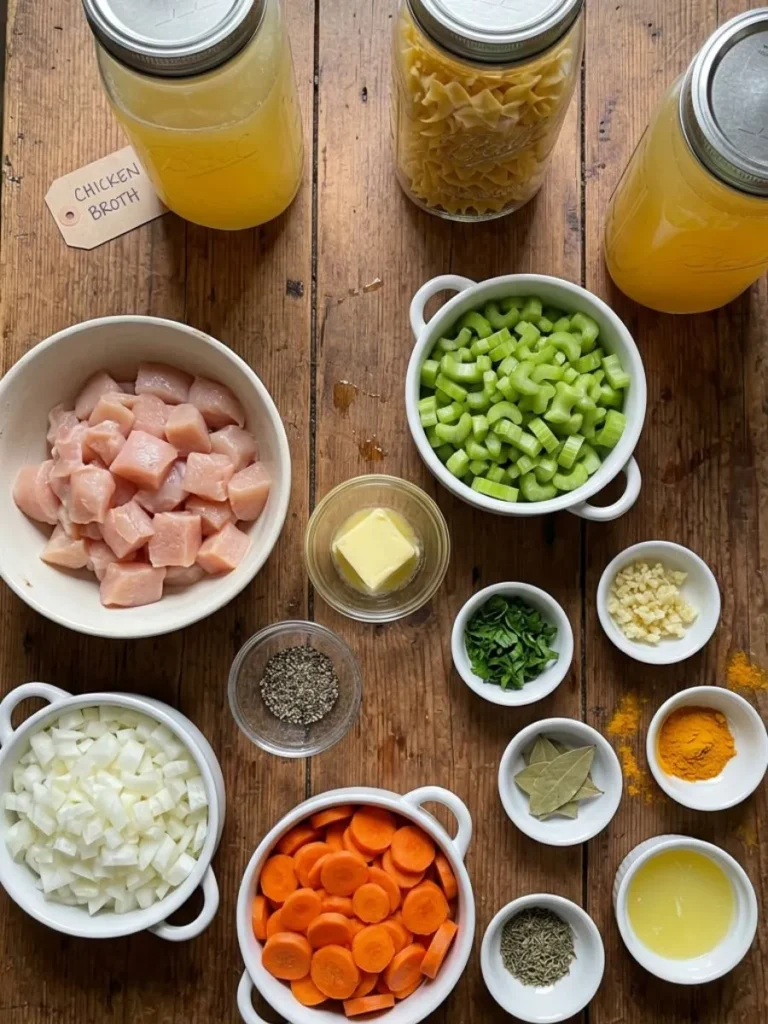
Cooking a heart-healthy meal doesn’t start in the kitchen; it starts in the grocery store aisles.
When you are on a strict diet, the supermarket can feel like a minefield of hidden sodium. To make the best homemade chicken noodle soup recipe, you need to know exactly what to look for on the nutrition labels. Here is your ultimate shopping guide.
Choosing the Right Chicken (Beware of Plumping)
While bone-in cuts are fantastic for indulgent appetizers like Cowboy Butter Chicken Wings, for this heart-healthy soup, we are using lean boneless, skinless chicken breasts. You might think that raw, unseasoned chicken breast is naturally sodium-free. Unfortunately, that is not always true.
Many commercial poultry brands use a process called “plumping” or “enhancing.” They inject the raw chicken with a saltwater solution to make the meat look bigger and stay juicier on the shelf. This can add hundreds of milligrams of hidden sodium to your pot before you even turn on the stove!
Quick Chicken Shopping Guide:
- Buy This: Organic, air-chilled chicken, or labels stating “Contains 0% retained water.”
- Avoid That: Chicken labeled “Enhanced with up to 15% chicken broth” or “Contains a saline solution.”
The Broth Dilemma: Low Sodium vs. No Salt Added
The broth is the foundation of your soup, and it is where most people make a critical mistake.
Do not grab the box that says “Reduced Sodium” or “Low Sodium.” As we discussed earlier, those still contain a significant amount of salt. Instead, you must look specifically for “No Salt Added” or “Unsalted” chicken stock.
If you want the absolute healthiest option, making your own salt-free chicken broth at home by boiling leftover chicken bones with vegetables and water is the gold standard. But for this quick and easy recipe, a high-quality, store-bought unsalted broth works perfectly.
Quick Broth Shopping Guide:
- Buy This: Cartons labeled “No Salt Added,” “Unsalted,” or Sodium-Free Bouillon packets (0mg sodium).
- Avoid That: Cartons labeled “Reduced Sodium” or “Low Sodium” (these can still have 500mg+ per cup!).
Best Low Sodium Noodle Alternatives
Traditional wide egg noodles are the classic choice for this comforting dish. Thankfully, most dry egg noodles are naturally very low in sodium (usually around 10-15 mg per serving). Brand Recommendation: Look for No Yolks Extra Broad Noodles or Manischewitz Wide Egg Noodles, which are widely available and consistently low in sodium.
However, if you want to make this soup even healthier or fit a specific diet, you have fantastic options:
- Whole Wheat Pasta: Adds extra fiber to keep you full longer.
- Gluten-Free Noodles: Perfect for those with celiac disease or gluten sensitivity.
- Zucchini Noodles (Zoodles): A brilliant, zero-sodium, low-carb alternative that adds a beautiful pop of green to your bowl.
The Best Veggies for Chicken Noodle Soup
We are using the classic trio: fresh yellow onions, crisp celery, and sweet carrots. If you want to turn this into a hearty chicken vegetable noodle soup, feel free to add diced bell peppers or zucchini. Always use fresh vegetables rather than canned, as canned veggies are often preserved in heavy salt water.
Finally, you will need a fat to sauté these vegetables. If you prefer a rich, classic flavor, it is absolutely non-negotiable to use unsalted butter (regular salted butter can ruin your daily sodium limit instantly). However, if you are strictly watching your saturated fat intake for heart health, extra virgin olive oil is a fantastic, heart-healthy substitute that works beautifully in this recipe.
How to Make Low Sodium Chicken Noodle Soup (Step-by-Step)
Now that we have safely navigated the grocery store, it is time to cook. This recipe is incredibly straightforward, taking only about 45 to 50 minutes from cutting board to dinner table.
Step 1: Prep and Chop (Mise en Place)
In professional kitchens, chefs use a technique called Mise en Place (everything in its place).
Start by dicing your onions, slicing your carrots into rounds, and chopping your celery. Mince your fresh garlic and cut your raw chicken breast into bite-sized cubes. Having everything chopped and ready before you turn on the heat prevents burning and makes cooking a stress-free joy.
Step 2: Sauté the Aromatics to Build the Base
Place a large Dutch oven or a heavy-bottomed soup pot over medium heat. Add your unsalted butter and let it melt.
Toss in the diced onions, carrots, and celery. Sauté them for about 5 to 7 minutes until the onions turn translucent and the carrots begin to soften. This step is crucial; you are coaxing out the natural sweetness of the vegetables, which will deeply flavor your no salt added broth.
Step 3: Cook the Chicken to Perfection
Next, add your diced chicken breast directly into the pot with the vegetables. Cook for about 4 to 5 minutes until the outside of the chicken is no longer pink.
Add the minced garlic during the last minute of cooking. Stir constantly! Garlic burns very quickly, and burnt garlic will give your soup a bitter taste that no amount of herbs can fix.
Step 4: Simmering the Broth and Herbs
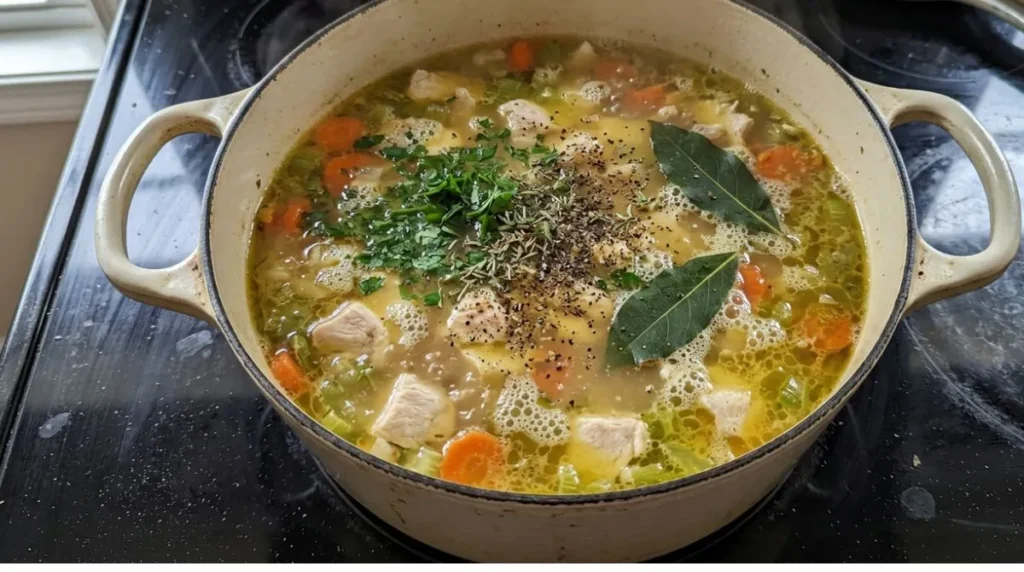
Pour in your salt-free chicken broth. Now, it is time to add the magic: toss in your fresh chopped parsley, dried thyme, bay leaves, and a generous pinch of ground black pepper.
Bring the entire pot to a gentle boil, then immediately reduce the heat to low. Let it simmer uncovered for about 15 to 20 minutes. This allows the chicken to cook through completely and gives the herbs time to infuse the broth with their earthy, savory notes.
Step 5: Cooking the Noodles (The Secret to Not Getting Mushy)
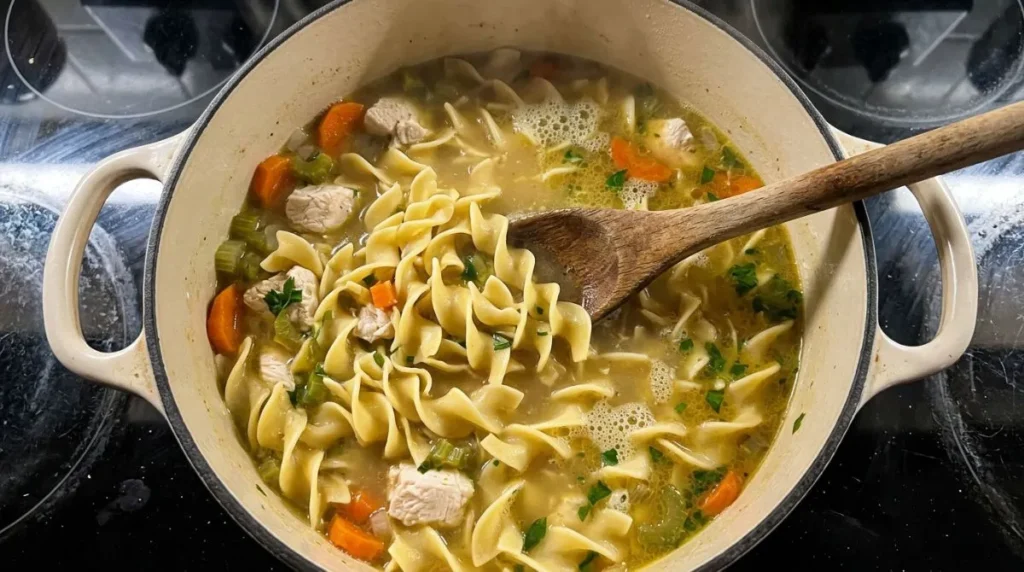
Here is a chef’s secret that will change how you make soup forever.
If you are going to eat the entire pot immediately, you can drop the dry egg noodles directly into the simmering broth and cook for 8-10 minutes until tender.
Pro Storage Tip: If you plan to have leftovers, do not cook the noodles in the broth! Instead, boil the noodles in a separate pot of plain water. Place a portion of cooked noodles into your serving bowl, and ladle the hot soup over them. This prevents the noodles from soaking up all your delicious broth in the fridge and turning into a mushy disaster the next day.
Finally, remove the pot from the heat, fish out the bay leaves, and stir in a fresh squeeze of lemon juice to brighten everything up. Serve hot and enjoy!
Slow Cooker (Crockpot) Instructions
Want to come home to a house smelling like comforting soup? You can easily adapt this recipe for a slow cooker:
- Add the raw chicken, chopped vegetables, garlic, herbs, and salt-free chicken broth to your slow cooker.
- Cook on LOW for 6-8 hours or HIGH for 3-4 hours.
- About 20 minutes before serving, remove the chicken, shred it with two forks, and return it to the pot.
- Cook your egg noodles separately on the stove, place them in bowls, and ladle the hot slow-cooker soup over them. Finish with a squeeze of fresh lemon juice!
Chef’s Pro Tips for Maximum Flavor
When you remove salt from a recipe, you have to replace it with technique. As a home cook who has experimented with countless batches of low sodium chicken noodle soup, I’ve discovered a few culinary secrets that elevate a good soup to an unforgettable one.
- Bloom Your Herbs: Don’t just dump your dried thyme and black pepper into the liquid broth. Instead, stir them into the pot while the vegetables are still sautéing in the unsalted butter. The heat releases the essential oils in the spices (a process called “blooming”), making their flavor ten times more intense.
- The Turmeric Secret (Umami & Color): Want that nostalgic, golden-yellow broth you remember from childhood? Add a ¼ teaspoon of ground turmeric while sautéing the vegetables. It adds a beautiful color, a subtle earthy depth (umami), and fantastic anti-inflammatory benefits.
- The Magic of Acid: I cannot stress this enough. A squeeze of fresh lemon juice or a splash of apple cider vinegar stirred in right after you turn off the heat is the ultimate salt replacement. It tricks your palate and makes the broth taste incredibly rich.
- Freshly Cracked Pepper: Throw away that dusty shaker of pre-ground black pepper. Investing in a cheap pepper grinder and using freshly cracked peppercorns adds a warm, spicy bite that beautifully masks the absence of sodium.
Common Mistakes to Avoid When Cooking Low Sodium
Even with the best intentions, it is easy to accidentally ruin a healthy meal. Avoid these common pitfalls to ensure your heart healthy chicken soup turns out perfectly every single time.
Mistake 1: Boiling the Chicken
Never let your soup come to a rapid, rolling boil once the chicken is in the pot. Boiling meat makes it tough, rubbery, and dry. You want a gentle, lazy simmer. This keeps the chicken breast incredibly tender and allows the flavors to meld slowly.
Mistake 2: Buying “Plumped” Raw Chicken
Always read the fine print on your raw chicken packaging. Many brands inject their raw poultry with a saltwater solution to make the meat look plumper and weigh more. This “hidden sodium” can add hundreds of milligrams of salt to your soup before you even start cooking. Look for chicken labeled “100% All Natural” or “Retained Water Only.”
Mistake 3: The Mushy Noodle Disaster
As mentioned in the instructions, cooking your egg noodles directly in the main pot is fine *only* if you are eating all of it immediately. If you leave noodles sitting in the hot broth on the stove or in the fridge, they will act like sponges, soaking up all your delicious salt-free broth and turning into a soggy mess.
Delicious Variations and Dietary Swaps
The beauty of this homemade chicken noodle soup recipe is how customizable it is. Once you master the base of this low sodium soup recipe, you can easily tweak it to fit any craving or dietary need.
- Make it Spicy: Add a pinch of red pepper flakes or some diced jalapeños while sautéing the onions. Heat is a fantastic distraction from a lack of salt.
- Pack in the Greens: Stir in two cups of fresh baby spinach or chopped kale during the last 3 minutes of simmering. The greens will wilt beautifully and add a massive boost of vitamins.
- Add a Pop of Color (and Protein): Stir in a cup of frozen peas during the last 5 minutes of cooking. They add a beautiful, vibrant green color that breaks up the yellow broth, plus an extra hit of fiber and protein without any extra prep work.
- Creamy Low Sodium Soup: Want a richer texture? Remove the pot from the heat and stir in a dollop of plain Greek yogurt or a splash of heavy cream. (Make sure the soup isn’t boiling, or the dairy will curdle!).
Meal Prep, Storage, and Freezing Guide
Soup is the ultimate meal-prep food. Making a large batch on Sunday guarantees you have a comforting, no salt added lunch ready for the rest of the week.
How to Store in the Fridge
Let the soup cool to room temperature. Store the broth/chicken mixture in one airtight container, and the cooked noodles in a separate container. They will stay fresh in the refrigerator for 3 to 4 days.
The Best Way to Freeze Chicken Noodle Soup
This low sodium chicken noodle soup freezes beautifully—but do not freeze the noodles! Cooked pasta turns to mush when thawed.
Pour the cooled chicken and vegetable broth into freezer-safe bags or containers, leaving an inch of space at the top for expansion. It will keep in the freezer for up to 3 months. When you are ready to eat, simply thaw the broth overnight in the fridge, heat it up, and boil a fresh batch of noodles.
How to Reheat for Maximum Flavor
When reheating your soup on the stovetop or in the microwave, you might notice the broth has thickened slightly in the fridge. Simply add a splash of water or a little extra salt-free chicken broth to thin it out. Taste the broth after reheating; you may want to add one more squeeze of fresh lemon juice to wake the flavors back up!
Frequently Asked Questions (FAQ)
How do I fix bland soup without adding salt?
If your low sodium chicken noodle soup tastes flat, it usually needs acid, not salt. Try adding a squeeze of fresh lemon juice or a splash of apple cider vinegar. You can also add a pinch of red pepper flakes for heat, or a dash of smoked paprika for depth.
Can I use store-bought rotisserie chicken to save time?
Technically yes, but proceed with extreme caution. Most supermarket rotisserie chickens are heavily injected with salt solutions and rubbed with high-sodium seasonings. A single serving can contain over 400mg of sodium! If you are on a strict low sodium diet, it is much safer to cook your own plain chicken breast from scratch. *(Quick Alternative: Boil or bake extra plain chicken breasts on Sunday, shred them, and keep them in the fridge to toss into your soup later!)*
What is the best low sodium store-bought broth?
Look for cartons specifically labeled “No Salt Added” or “Sodium-Free” (usually containing around 40-60mg of sodium per cup). Brands like Kitchen Basics, Swanson, and Pacific Foods offer excellent unsalted options. Always check the nutrition label, as “Reduced Sodium” broths can still contain over 500mg per cup!
Is chicken bouillon bad for high blood pressure?
Traditional chicken bouillon cubes are essentially solid blocks of salt and MSG. They are terrible for high blood pressure. However, you can find specific sodium-free bouillon packets online or in health food stores. Always read the label to ensure it says “0mg Sodium.”
Can I use a salt substitute in this recipe?
Medical Warning: Many commercial salt substitutes replace sodium chloride with potassium chloride. While this tastes salty, high potassium levels can dangerously interact with certain blood pressure medications. Always consult your doctor before using chemical salt substitutes. Stick to natural flavor enhancers like herbs and citrus instead!
Low Sodium Chicken Noodle Soup Recipe & Nutrition Facts
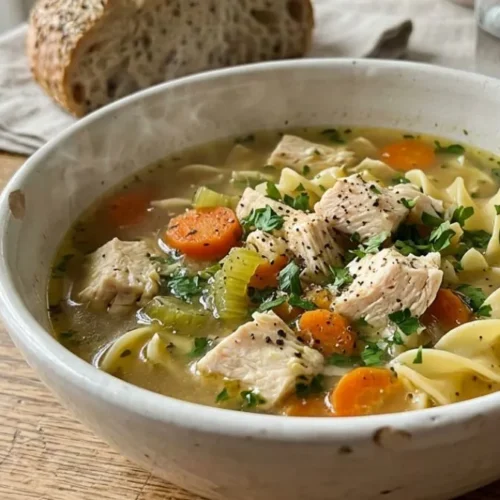
This is it—the ultimate, comforting, heart healthy chicken soup you’ve been waiting for. It’s packed with tender chicken, vibrant vegetables, and a rich, savory broth that proves you don’t need a salt shaker to make an incredible meal.
- Prep Time: 15 minutes
- Cook Time: 35 minutes
- Total Time: 50 minutes
- Servings: 6 generous bowls (Serving Size: 1.5 Cups)
Ingredients
The Base & Aromatics:
- 2 tablespoons unsalted butter (or olive oil)
- 1 large yellow onion, finely diced
- 3 medium carrots, peeled and sliced into rounds
- 3 stalks celery, chopped
- 4 cloves fresh garlic, minced
The Protein & Broth:
- 1.5 lbs (about 24 oz) boneless, skinless chicken breasts, cut into bite-sized cubes (Ensure it is NOT injected with a saline solution)
- 8 cups (2 quarts) No Salt Added or Unsalted chicken stock
The Flavor Boosters (No Salt Needed!):
- 1 teaspoon dried thyme
- 2 bay leaves
- 1 teaspoon freshly cracked black pepper (adjust to taste)
- 1/4 cup fresh Italian parsley, finely chopped
- 2 tablespoons fresh lemon juice (about 1 medium lemon)
The Noodles:
- 8 oz dry wide egg noodles (or your favorite low sodium pasta alternative)
Low Sodium Chicken Noodle Soup Recipe & Nutrition Facts
Ingredients
The Base & Aromatics:
- 2 tablespoons unsalted butter or olive oil
- 1 large yellow onion finely diced
- 3 medium carrots peeled and sliced into rounds
- 3 stalks celery chopped
- 4 cloves fresh garlic minced
The Protein & Broth:
- 1.5 lbs about 24 oz boneless, skinless chicken breasts, cut into bite-sized cubes (Ensure it is NOT injected with a saline solution)
- 8 cups 2 quarts No Salt Added or Unsalted chicken stock
- The Flavor Boosters No Salt Needed!:
- 1 teaspoon dried thyme
- 2 bay leaves
- 1 teaspoon freshly cracked black pepper adjust to taste
- 1/4 cup fresh Italian parsley finely chopped
- 2 tablespoons fresh lemon juice about 1 medium lemon
The Noodles:
- 8 oz dry wide egg noodles or your favorite low sodium pasta alternative
Instructions
- Sauté the Veggies: Place a large Dutch oven or heavy soup pot over medium heat. Melt the unsalted butter. Add the diced onion, carrots, and celery. Sauté for 5-7 minutes until the onions are translucent and the vegetables begin to soften and release their natural sweetness.
- Bloom the Spices: Stir in the minced garlic, dried thyme, and black pepper. Cook for just 1 minute, stirring constantly, until the garlic is fragrant. (Do not let the garlic burn!).
- Cook the Chicken: Add the cubed chicken breast to the pot. Cook for 4-5 minutes, stirring occasionally, until the outside of the chicken is no longer pink.
- Simmer the Broth: Pour in the salt-free chicken broth and add the bay leaves. Bring the soup to a gentle boil, then immediately reduce the heat to low. Cover the pot and let it simmer gently for 15-20 minutes to ensure the chicken is cooked through and the flavors meld together.
- Cook the Noodles (Separately): While the soup simmers, bring a separate medium pot of plain water to a boil. Cook the egg noodles according to the package directions until al dente. Drain the noodles and set them aside. (Cooking them separately prevents them from soaking up all your broth and turning mushy!).
- The Final Touch: Remove the soup pot from the heat. Carefully fish out and discard the bay leaves. Stir in the fresh chopped parsley and the fresh lemon juice. Taste the broth—if it needs a little more “zing,” add another squeeze of lemon or a pinch more black pepper.
- Serve: Place a portion of the cooked noodles into each serving bowl, then ladle the hot, savory chicken and vegetable broth over the top. Enjoy immediately!
Notes
- The Noodle Rule: Never cook or store the noodles directly in the main soup pot unless you are eating the entire batch immediately. They will act like sponges and absorb all your precious low sodium broth!
- The Turmeric Trick: For a beautiful, nostalgic golden color, add ¼ teaspoon of ground turmeric in Step 2 when blooming the spices.
- Storage: Store the broth and the cooked noodles in separate airtight containers in the fridge for up to 4 days.
Conclusion: Your Turn to Cook!
Managing high blood pressure or a heart condition doesn’t mean you have to eat bland, boring food for the rest of your life. By using smart cooking techniques, fresh aromatics, and a splash of citrus, this low sodium chicken noodle soup proves that healthy eating can be incredibly delicious.
Now, it’s your turn to get into the kitchen and experience the magic of flavor layering without the salt shaker!
Did you make this recipe?
I would absolutely love to hear how it turned out for you! Please leave a 5-star rating in the recipe card above and share your thoughts in the comments below. Your feedback helps other readers discover that a low sodium lifestyle can still be packed with flavor!
💌 Join Our Heart-Healthy Community!
Don’t miss out on more delicious, salt-free recipes. Subscribe to our free newsletter to get the best low sodium meals delivered straight to your inbox every week!