
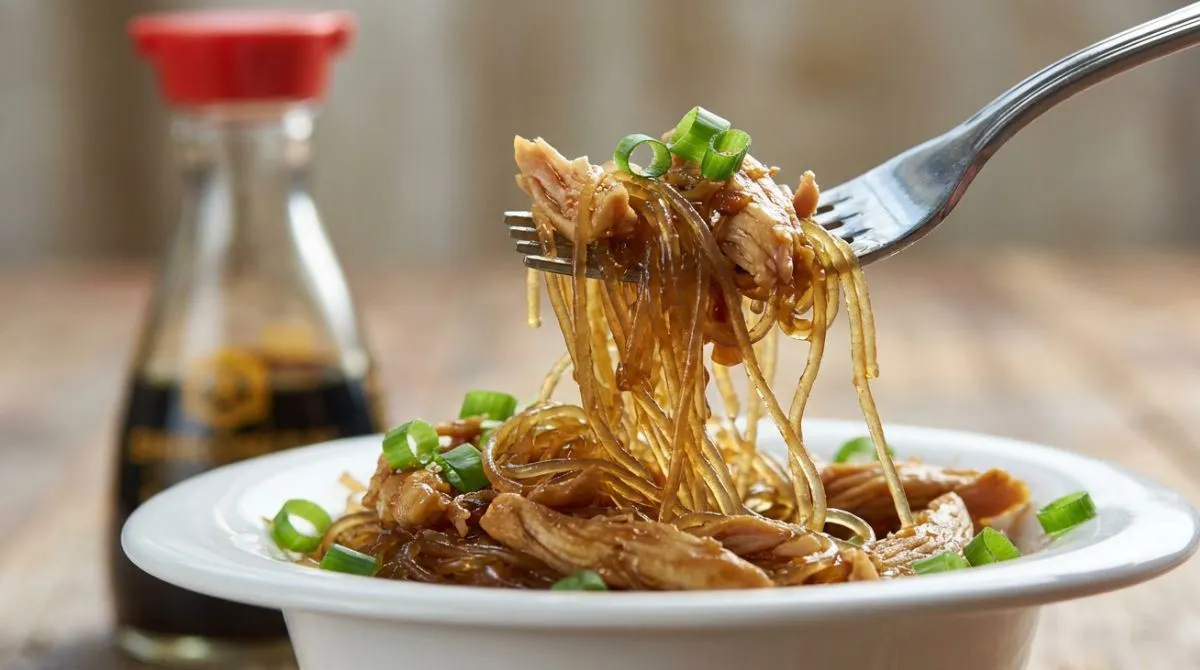
Easy Authentic Chicken Long Rice Recipe (Hawaiian Style)
Table of Contents
Authentic Chicken Long Rice Recipe (Luau Style)
If you’ve ever attended a traditional Hawaiian luau, you know that no plate is complete without a generous scoop of savory, comforting Chicken Long Rice. It’s the kind of dish that warms you from the inside out—slippery glass noodles swimming in a rich, ginger-infused chicken broth, tender shreds of chicken thigh, and the fresh bite of green onions. While it might look simple, perfecting this Chicken Long Rice Recipe is an art form that balances texture and flavor in a way that feels like home.
Whether you are trying to recreate a favorite childhood memory from the islands or simply looking for a budget-friendly, crowd-pleasing meal, this guide is for you. I’m going to walk you through every single detail—from selecting the right noodles to mastering that crystal-clear broth—so you can make the best Hawaiian Chicken Long Rice Recipe right in your own kitchen. Forget the bland, mushy versions you might have tried before; we are aiming for authentic, restaurant-quality results.
What is Chicken Long Rice?
Before we dive into the cooking process, let’s clear up a common misconception. Despite its name, Chicken Long Rice doesn’t actually contain grain rice. The “rice” in the name refers to the bean thread noodles (also known as cellophane noodles, glass noodles, or vermicelli) that are made from mung bean starch. When cooked, these noodles become translucent and look somewhat like long grains of rice, hence the name.
This dish is a beautiful example of Hawaii’s melting pot culture. Originally brought to the islands by Chinese immigrants in the mid-19th century, the recipe was adapted over generations to suit local tastes, eventually becoming a staple Chicken Long Rice Recipe Hawaii locals cherish. It evolved from a simple soup into a stew-like side dish that is now a mandatory component of any Hawaiian feast, sitting proudly next to Kalua Pig, Lomi Lomi Salmon, and Poi.
But don’t let the “side dish” label fool you. In many local households, a big pot of Hawaiian Chicken Long Rice is often served as a main course, ladled over a scoop of sticky white rice. The flavor profile is distinct: it’s not just salty chicken soup. It’s defined by a bold, spicy warmth from fresh ginger, the umami depth of soy sauce (shoyu), and the richness of chicken fat that coats every noodle. It’s comfort food at its finest.
If you are looking for a reliable recipe that captures this authentic taste, you are in the right place.
Ingredients You’ll Need
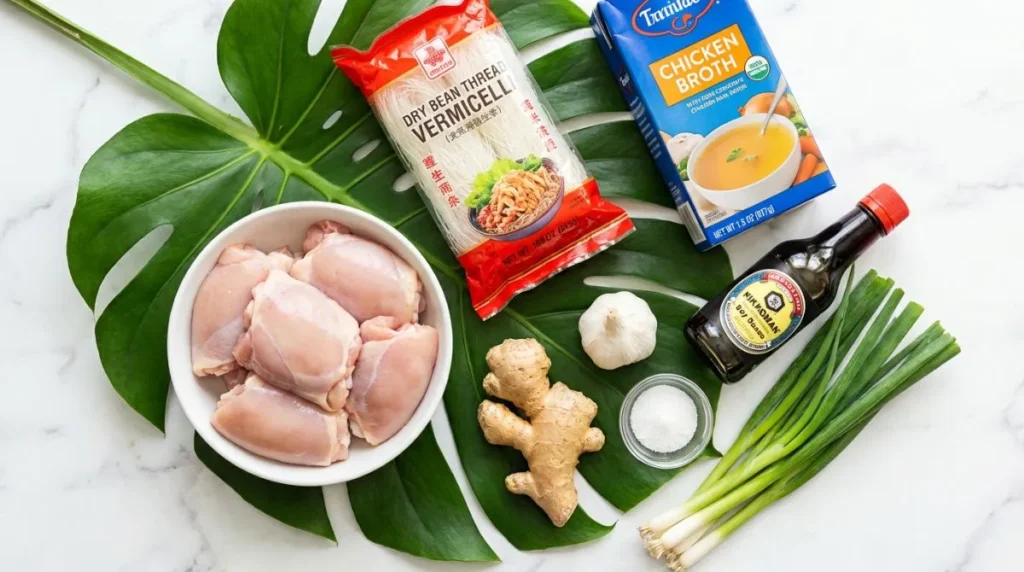
To make an authentic Chicken and Long Rice Recipe, you don’t need fancy equipment or hard-to-find spices. However, the quality and type of ingredients you choose will make or break your dish. Since this recipe relies on very few components, there is nowhere for poor-quality ingredients to hide. Let’s break down exactly what you need to shop for.
Quick Ingredient Comparison: Chicken Thighs vs. Breast
One of the most common questions I get is: “Can I use chicken breast?” The short answer is yes, you can, but for the best Chicken Long Rice Recipe, I strongly advise against it. Here is a quick breakdown of why thighs are the winner:
| Feature | Chicken Thighs (Bone-in, Skin-on) | Chicken Breast (Boneless, Skinless) |
| Flavor Profile | Rich, savory, and intense due to fat content. | Mild and lean; relies heavily on added broth. |
| Texture | Stays tender and juicy even after 40 mins of simmering. | Tends to become dry, stringy, and tough if boiled too long. |
| Broth Quality | Bones and skin release gelatin, creating a silky, full-bodied soup. | Creates a thinner, watery broth lacking depth. |
| Best For | Authentic Hawaiian Chicken Long Rice | Quick, low-fat soups (not recommended here). |
- Verdict: Stick to the thighs. The natural gelatin from the bones is what gives the soup its signature mouthfeel.
Choosing the Right Noodles (Long Rice)
This is where many home cooks get confused. You are looking for Bean Thread Noodles (sometimes labeled as Mung Bean Vermicelli or Cellophane Noodles).
- What to buy: Look for dried noodles that are white and brittle in the package. They are usually sold in small bundles or “nests” inside a pink or green mesh bag in the Asian aisle of your supermarket. Brands like Wai Wai or Lungkow are very popular for a classic Chicken Long Rice Recipe Hawaii style dish.
- What to avoid: Do not confuse these with Rice Vermicelli (which are made from rice flour and turn white/opaque when cooked) or Korean Sweet Potato Noodles (which are thicker and chewier). You want the mung bean variety because they have a unique ability to absorb the broth while maintaining a slippery, slightly chewy texture that doesn’t turn into mush immediately.
The Role of Fresh Ginger and Aromatics
If there is one secret ingredient that defines this dish, it is fresh ginger. You cannot use powdered ginger here; it simply won’t work. You need a large knob of fresh ginger root.
- Ginger: You’ll want to smash the ginger slices rather than just chopping them. Smashing opens up the fibers and releases the spicy juices into the broth. The ginger provides a necessary “heat” that cuts through the richness of the chicken fat.
- Garlic: Fresh cloves, smashed or minced, add the savory base note.
- Green Onions: These are used in two ways—the white parts can be simmered for flavor, while the green tops are reserved for a fresh, crunchy garnish at the end.
- Shoyu (Soy Sauce): Use a high-quality Japanese soy sauce (like Aloha or Kikkoman). This adds the saltiness and the amber color to the broth.
- Chicken Broth & Water: While we will make our own broth from the chicken thighs, adding a carton of high-quality chicken stock or broth ensures the flavor is concentrated and robust. For the absolute best results, I highly recommend using homemade Instant Pot Chicken Bone Broth if you have some on hand.
How to Make Chicken Long Rice (Step-by-Step)
Now that we have our ingredients sorted, let’s get cooking. Making this Chicken Long Rice Recipe is not difficult, but it does require patience. We are building layers of flavor, starting with the broth and finishing with the noodles. Follow these steps closely, and you’ll be rewarded with a pot of comfort that tastes just like it came from a local Hawaiian kitchen.
Step 1: Preparing the Ginger-Infused Broth
The foundation of any great Chicken and Long Rice Recipe is the broth. We aren’t just boiling chicken; we are extracting flavor.
- Prep the Aromatics: Take a generous 2-inch piece of fresh ginger. No need to peel it perfectly; just scrub it clean. Slice it into thick coins and then give each coin a good smash with the flat side of your knife. This smashing technique is crucial—it ruptures the cells and releases those spicy essential oils. Peel and smash 3-4 cloves of garlic as well.
- Sear for Depth (Optional but Recommended): In your large pot or Dutch oven, heat a splash of oil over medium-high heat. Add the chicken thighs (skin-side down) and sear them for 3-4 minutes until the skin is golden brown. You aren’t cooking them through, just rendering some fat and developing flavor (the Maillard reaction). This step isn’t strictly traditional in every household, but it adds a richness that elevates the dish.
- Simmer: Add the smashed ginger, garlic, and water (or a mix of water and chicken broth) to the pot. Bring it to a boil, then immediately reduce the heat to a gentle simmer. Skim off any gray scum that rises to the surface, but try to leave the golden droplets of chicken fat—that’s flavor! Cover and let it simmer for at least 30-40 minutes until the chicken is falling-off-the-bone tender.
Step 2: Shredding the Chicken
Once the chicken is tender, remove the thighs from the pot and set them aside to cool slightly. Do not discard the broth! Keep it simmering gently.
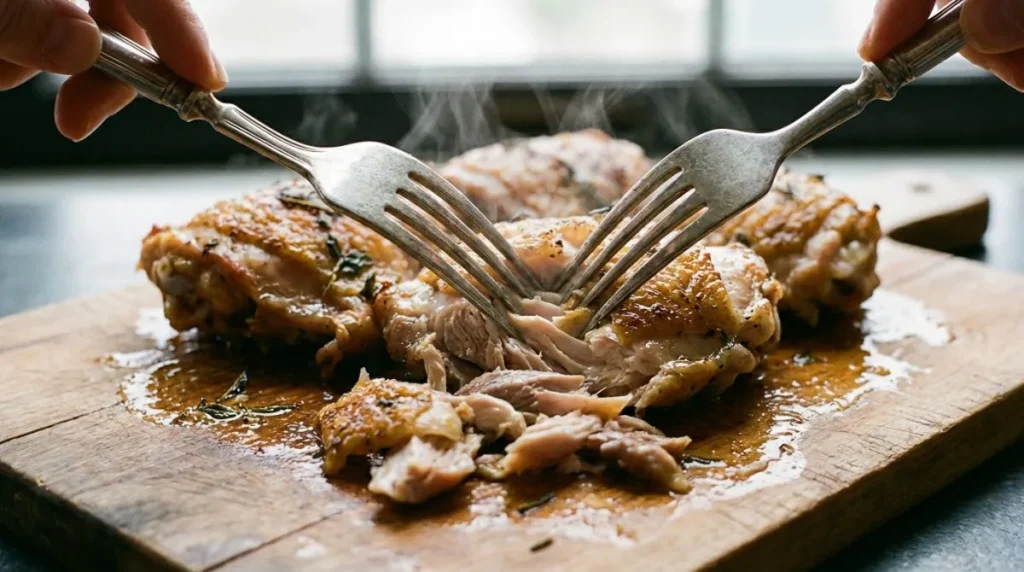
- Clean the Meat: Discard the skin and bones (or save them to make stock later). Using two forks or your fingers, shred the meat into bite-sized pieces.
- Texture Matters: Don’t shred it too finely like pulled pork; you want distinct chunks of chicken that can stand up to the noodles.
- Return to Pot: Toss the shredded meat back into the simmering broth. Add your soy sauce (shoyu) and a pinch of salt now. Taste the broth. It should taste slightly too seasoned, as the noodles will absorb a lot of this saltiness later. This step is vital for a flavorful result.
Step 3: Cooking the Noodles Perfectly
This is the trickiest part of any Hawaiian Chicken Long Rice Recipe. The noodles act like sponges.
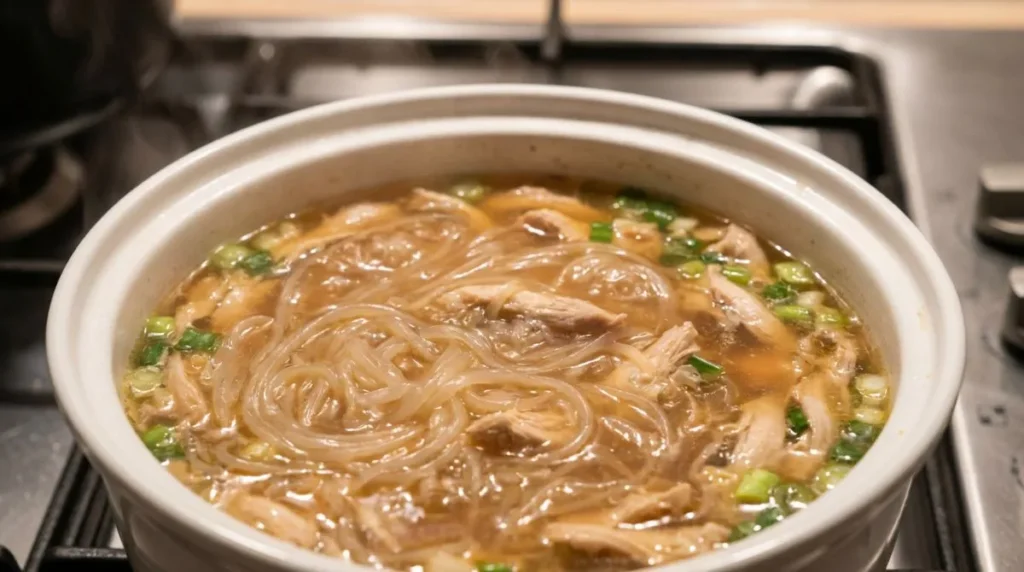
- Pre-soak the Noodles: While the chicken was simmering, you should have placed your dry bean thread noodles in a bowl of warm water for about 15 minutes. This softens them and cuts down the actual cooking time.
- Cut Them Up: These noodles are incredibly long! After soaking, use kitchen shears to cut the bundle into manageable 3-4 inch lengths. If you skip this, eating the soup becomes a messy battle with endless noodles.
- The Final Simmer: Add the soaked, cut noodles to the pot. They will look white at first. Simmer them for about 3-5 minutes. Watch them like a hawk. You want them to turn clear (transparent) and soft, but they should still have a tiny bit of “bite” or chewiness.
- Finish: Stir in the chopped green onions, turn off the heat, and let the pot sit for another 5 minutes. The residual heat will finish cooking the noodles perfectly without turning them into mush. This resting period is a secret to a perfect Chicken Long Rice Recipe.
Common Mistakes to Avoid
Even though this is a simple dish, I’ve seen many attempts go wrong. Here are the most common pitfalls I want you to avoid when making this Chicken Long Rice Recipe Hawaii style.
Overcooking the Noodles (The Mushy Trap)
This is the number one offense. Bean thread noodles are delicate. If you boil them vigorously for too long, they will disintegrate and release too much starch, turning your beautiful soup into a thick, gloopy paste. The Fix: Always soak them first, cook them briefly, and remember they will continue to soften even after you turn off the heat. It is better to undercook them slightly than to overcook them.
Making the Broth Too Bland
Glass noodles have zero flavor on their own. They are 100% dependent on the liquid they absorb. If your broth tastes “just right” before you add the noodles, the final dish will taste bland. The Fix: Season your broth aggressively with ginger, garlic, and shoyu before the noodles go in. The broth should taste robust and punchy.
Not Using Enough Ginger
If you can’t taste the ginger, it’s not Hawaiian Chicken Long Rice. This dish is supposed to have a “zing” to it. The Fix: Don’t be shy. Use more ginger than you think you need. If you are sensitive to spice, you can remove the ginger pieces before serving, but let them simmer for the full duration to infuse the liquid.
Serving It Too “Dry”
While some people prefer a drier, stir-fry style noodle, the classic luau style is soupy. The noodles will continue to drink up the broth as the dish sits. The Fix: Always start with more broth than you think you need. If you make it perfectly soupy now, it might be dry in 20 minutes. Keep extra hot chicken broth on the side to loosen it up just before serving.
Chef’s Tips for the Best Results
Over the years, I’ve tweaked this recipe to perfection. Here are a few insider secrets that will take your Chicken Long Rice Recipe from “good” to “unforgettable.”
- Skim the Fat, But Not All of It: While simmering the chicken thighs, you’ll see golden pools of fat floating on top. Many recipes tell you to skim this off completely. I disagree. That fat holds a tremendous amount of chicken flavor. Skim the gray foam (impurities), but leave some of that golden oil. It coats the noodles and gives them a luxurious, silky mouthfeel that lean broth just can’t replicate.
- The “Second Day” Magic: Like many stews and soups, this dish tastes even better the next day. The flavors of ginger and garlic have more time to meld, and the noodles absorb even more savory goodness. If you are planning a party, make this Hawaiian Chicken Long Rice Recipe the day before and gently reheat it—it saves you stress and tastes better!
- Adjusting the Texture: If you prefer a soupier consistency (like a traditional chicken noodle soup), simply increase the amount of chicken broth by 1-2 cups. If you prefer a drier, casserole-style dish (often found at potlucks because it’s easier to scoop), stick to the measurements below and let it sit for 15 minutes before serving to allow the noodles to soak up the liquid.
- Add a Umami Booster: For an extra layer of depth, try adding a teaspoon of oyster sauce or a tiny splash of fish sauce (patis) along with the shoyu. It’s not strictly traditional, but it amplifies the savory notes of the chicken beautifully.
Chicken Long Rice Variations: Instant Pot & Slow Cooker
We all love the traditional stovetop method, but sometimes life gets busy. Here is how you can adapt this Hawaiian Chicken Long Rice Recipe for modern appliances without sacrificing flavor.
Instant Pot Method (The Time-Saver)
This is perfect for weeknight dinners when you need food on the table fast.
- Sauté: Use the “Sauté” function to brown the chicken thighs and aromatics (ginger/garlic) right in the pot.
- Pressure Cook: Add the broth, water, and seasonings. Seal the lid and cook on High Pressure for 10 minutes.
- Release: Do a Quick Release. Remove chicken, shred it, and return to pot.
- Noodles: Switch back to “Sauté” mode. Add the pre-soaked noodles and simmer for 3-4 minutes until clear. Do not pressure cook the noodles—they will dissolve! This creates a fast Chicken and Long Rice Recipe without the wait.
Slow Cooker Method (Set It and Forget It)
Ideal for when you want to come home to a house smelling like ginger and chicken.
- Combine: Add chicken thighs, ginger, garlic, broth, and seasonings to the slow cooker.
- Cook: Cover and cook on Low for 6-7 hours or High for 3-4 hours.
- Finish: Shred the chicken and return it to the pot. About 20 minutes before serving, stir in the soaked noodles and let them cook in the hot broth until transparent.
Optional Add-ins for a Complete Meal
While traditionalists stick to chicken and noodles, you can easily bulk up this soup.
- Shiitake Mushrooms: Slice dried shiitake mushrooms (rehydrated) and simmer them with the chicken for an earthy umami boost.
- Bok Choy: Toss in chopped baby bok choy in the last 5 minutes of cooking for some crunch and color.
What to Serve with Chicken Long Rice
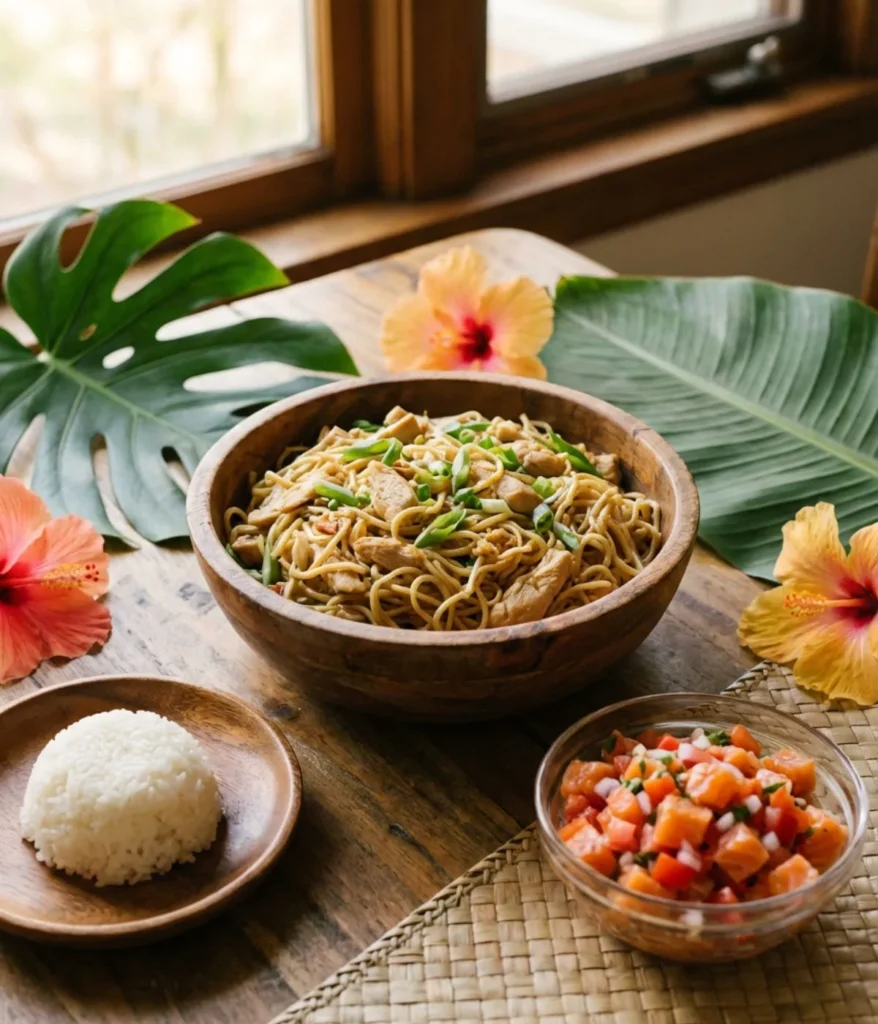
In Hawaii, Chicken Long Rice is rarely eaten alone. It is part of a larger ecosystem of flavors. To create a full, authentic meal, consider pairing it with these classics:
- Kalua Pig: The smoky, salty flavor of shredded pork pairs perfectly with the ginger-heavy soup. The textures complement each other beautifully.
- Lomi Lomi Salmon: This cold tomato and salted salmon salad provides a refreshing, acidic contrast to the warm, savory noodles. [Link to: Lomi Lomi Salmon Guide]
- Poi: The slightly sour, earthy taste of poi (taro paste) is the traditional starch that balances the saltiness of the shoyu broth.
- Chili Pepper Water: For a true local experience, splash some Chili Pepper Water on top. The vinegar-spicy kick cuts through the richness of the chicken fat perfectly.
- White Rice: Yes, we eat noodles with rice! It’s a carb-on-carb delight. A scoop of sticky white rice soaks up the extra broth and makes the meal incredibly filling.
- Macaroni Salad: A scoop of creamy, mayo-heavy mac salad is the standard side dish for any Hawaiian “plate lunch.”
Storing and Reheating Leftover Chicken Long Rice
Because this dish makes a large batch, you will likely have leftovers. However, storing noodles in broth can be tricky. Here is how to keep your Chicken and Long Rice Recipe tasting fresh for days.
How to Store in the Refrigerator
Allow the soup to cool completely to room temperature. Transfer it to an airtight container and refrigerate. It will keep well for 3 to 4 days.
- Note: You will notice that the noodles will absorb almost all the liquid overnight, turning the soup into a solid, gelatinous block. Don’t panic! This is normal. The collagen from the chicken bones causes it to gel when cold. Your Hawaiian Chicken Long Rice will return to liquid form once heated.
Can You Freeze Chicken Long Rice?
Technically, yes, but I do not recommend it. Bean thread noodles have a delicate texture that tends to break down and become mushy when frozen and thawed. The chicken and broth freeze beautifully, but the noodles suffer.
- Pro Tip: If you want to make a freezer-friendly batch, make the soup base (chicken, broth, ginger) and freeze that without the noodles. When you are ready to eat, thaw the broth, bring it to a boil, and add fresh noodles right then.
Reheating Without Ruining the Texture
Since the noodles have soaked up the broth, your leftovers will look dry.
- Stovetop (Best Method): Place the leftovers in a pot. Add a splash of water or extra chicken broth (about 1/4 cup per serving) to loosen it up. Heat gently over medium-low heat, stirring occasionally, until the broth liquefies and the noodles are hot.
- Microwave: Place in a microwave-safe bowl, add a splash of water, cover with a damp paper towel, and heat in 1-minute intervals, stirring in between.
FAQ About This Chicken Long Rice Recipe
Is Chicken Long Rice gluten-free?
Yes! This is naturally a gluten-free dish if you use gluten-free Tamari instead of traditional soy sauce (which often contains wheat). The bean thread noodles themselves are made from mung bean starch and are 100% gluten-free.
Why are my noodles mushy?
Mushy noodles are a result of overcooking. Remember, glass noodles cook very fast (3-5 minutes). They also continue to cook in the residual heat of the pot. Always soak them first and cook them briefly.
Can I use rice vermicelli instead?
No, rice vermicelli (made from rice flour) has a different texture and will turn white and opaque. It won’t give you that signature slippery, transparent look and feel of authentic Chicken Long Rice. Stick to mung bean threads.
Can I make Chicken Long Rice ahead of time?
Yes, and it often tastes better the next day as the flavors meld! However, the noodles will absorb most of the broth overnight. To serve, simply reheat it on the stove and add 1-2 cups of extra chicken broth or water to bring it back to the perfect soup consistency.
How do I make this a complete Hawaiian Chicken Long Rice Recipe?
Simply ensure you use fresh ginger and bone-in thighs. The authenticity comes from the quality of the broth.
Conclusion
There you have it—the ultimate guide to making an authentic Chicken Long Rice Recipe at home. This dish is more than just soup; it’s a taste of the Aloha spirit. Whether you are serving it at a summer backyard luau or curling up with a bowl on a rainy winter night, the combination of savory chicken, spicy ginger, and comforting noodles never fails to satisfy.
Don’t be intimidated by the new ingredients if you haven’t used glass noodles before. Once you try this Hawaiian Chicken Long Rice, it will quickly become a regular in your dinner rotation. This is truly the best Chicken Long Rice Recipe Hawaii has to offer.
Did you try this recipe? Let me know in the comments below how it turned out, or tag us on social media!
Recipe Card
Prep Time: 20 mins | Cook Time: 45 mins | Total Time: 1 hr 5 mins
Servings: 6-8
Ingredients:
- 2 lbs Chicken Thighs (bone-in, skin-on)
- 4 quarts Water (or mix of water and chicken broth)
- 3-inch piece Fresh Ginger (smashed)
- 4 cloves Garlic (smashed)
- 1 tbsp Hawaiian Salt (or sea salt), to taste
- 2 tbsp Shoyu (Soy Sauce)
- 2 packs (approx. 8-10 oz) Bean Thread Noodles (Long Rice)
- 1 bunch Green Onions (chopped)
Instructions:
- Soak: Place noodles in warm water for 15 minutes to soften. Cut into 4-inch lengths.
- Simmer: In a large pot, combine chicken, water, ginger, garlic, and salt. Bring to a boil, skim foam, then simmer covered for 40 mins.
- Shred: Remove chicken. Discard skin/bones. Shred meat and return to pot.
- Season: Add shoyu. Taste and adjust salt.
- Cook Noodles: Add soaked noodles. Simmer 3-5 mins until clear.
- Serve: Stir in green onions and serve hot.
Nutrition Facts (Per Serving):
| Nutrient | Amount |
| Calories | 320 kcal |
| Protein | 22g |
| Carbohydrates | 35g |
| Fat | 12g |
| Sodium | 850mg |
| Fiber | 1g |