
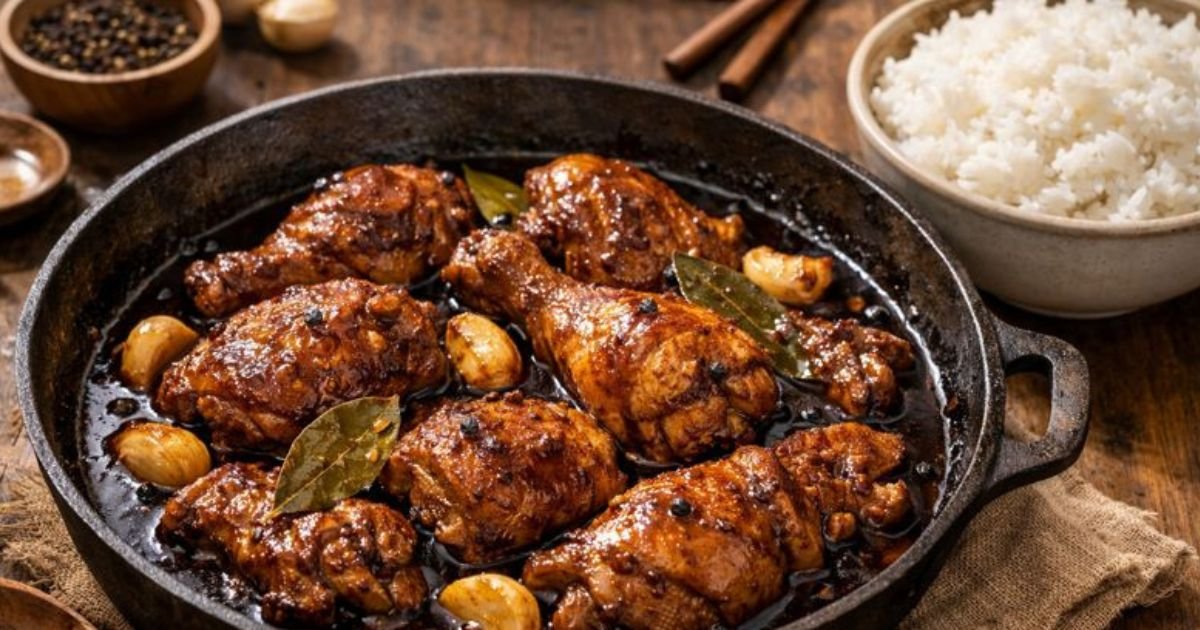
Filipino Chicken Adobo Recipe: 7 Easy Steps for a Rich, Authentic Flavor
Explore the world of Filipino cuisine with our ultimate chicken adobo recipe. It has the potential to completely transform the way you approach home cooking. This dish is a key part of Filipino cooking, mixing flavors that excite your taste buds. Chicken adobo shows the deep culture of the Philippines, taking you on a tasty trip through family traditions.
Get ready to learn how to make a real adobo that captures Filipino cooking’s essence. This recipe is for everyone, whether you’re a pro chef or just starting. It will teach you how to make a delicious meal that brings the Philippines to your kitchen.
Key Takeaways
- Discover the authentic technique behind traditional Filipino chicken adobo
- Learn how to balance vinegar and soy sauce for perfect flavor
- Understand the cultural significance of this beloved national dish
- Master the art of creating tender, flavorful chicken
- Explore a recipe that’s both simple and deeply satisfying
What Makes Filipino Chicken Adobo a Beloved National Dish
Filipino chicken adobo is a true treasure in Philippine cuisine. It’s more than a recipe; it’s a symbol of the country’s culture and food heritage.
Chicken adobo is loved for several reasons:
- Incredible flavor complexity
- Simple yet robust cooking technique
- Versatility across different regions
- Affordable ingredients
Adobo shows how Filipinos can make something amazing from simple ingredients. The mix of vinegar, soy sauce, and garlic gives it a unique taste.
| Characteristic | Description |
| Flavor Profile | Tangy, savory, slightly salty |
| Cooking Method | Slow-simmering in marinade |
| Cultural Significance | Represents Filipino culinary resilience |
Every Filipino family has its own special adobo recipe. This personal connection makes the dish a cherished cultural experience.
Chicken adobo tells a story of survival, creativity, and community. When you cook it, you join a long tradition that spans generations.
The Rich History Behind Authentic Chicken Adobo
Chicken adobo has a long and interesting history. It spans centuries of change in Filipino culture. This dish is more than just a recipe; it tells a story of survival, adaptation, and national identity.
Spanish Colonial Roots in Filipino Cooking
Spanish colonizers came to the Philippines in the 16th century. They brought new ways of cooking that changed traditional methods. The term adobo is derived from the Spanish word adobar, which refers to the process of marinating food.
Spanish influences on Filipino food included:
- Introduction of vinegar-based preservation techniques
- Cooking methods that enhanced food storage
- New seasoning approaches using imported spices
Journey to National Dish Status
Adobo slowly became a national symbol. Its ability to preserve meat in hot climates made it popular everywhere. It was affordable and versatile, fitting into many Filipino communities.
The dish became famous because it:
- Could be made with simple ingredients
- Stayed tasty when reheated
- Symbolized Filipino resilience and creativity
By the mid-20th century, chicken adobo was celebrated as a symbol of Filipino culinary heritage. It went beyond regional tastes and became the unofficial national dish of the Philippines.
Essential Ingredients for Your Chicken Adobo Recipe
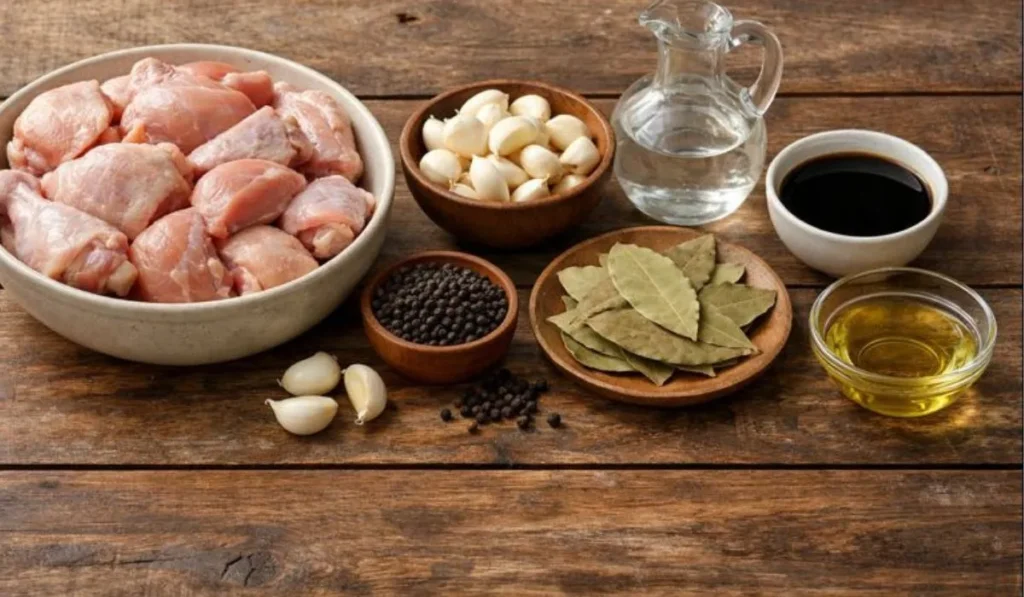
Making a true Filipino chicken adobo needs the right ingredients. These ingredients create a complex flavor. They turn simple chicken into a dish to remember.
Your main ingredients are:
- 8-10 cloves of garlic, crushed or minced
- 2-3 bay leaves
- Approximately 1 teaspoon of whole black peppercorns
- Soy sauce for saltiness and color
- Vinegar for tanginess and tenderizing
For a better adobo, try these optional ingredients:
- Brown sugar for balance
- Onions for natural sweetness
- Chili peppers for a spicy kick
Choosing the right ingredients is key. Brands like Silver Swan soy sauce offer authentic taste. But, supermarket ingredients can also make a great chicken adobo.
The garlic is very important. It adds a deep, aromatic flavor to the chicken. This flavor is what makes traditional adobo so special.
Pro tip: Use freshly ground whole black peppercorns and fragrant bay leaves. They make your dish taste more authentic and flavorful.
Choosing the Right Cut of Chicken for Adobo
Choosing the right chicken cut is key to a great Filipino Adobo. The meat you pick affects the taste, texture, and how enjoyable it is to eat. Knowing the differences between chicken cuts will help you make a meal that’s both authentic and tasty.
Dark Meat vs White Meat: Flavor and Texture Considerations
Chicken cuts in Adobo have their own special qualities that can make your dish better:
- Dark Meat (Thighs and Legs)More flavorful and tender
- Higher fat content
- Better at absorbing marinade
- White Meat (Breast)Leaner protein option
- Less intense flavor
- Risks becoming dry if overcooked
Bone-In vs Boneless: Pros and Cons
Your choice of chicken greatly affects the taste and texture of Adobo. Chefs often say bone-in cuts are best for slow cooking to get the most flavor.
- Bone-In ChickenRicher flavor profile
- More moisture retention
- Traditional cooking method
- Boneless ChickenFaster cooking time
- Easier eating experience
- Convenient for meal prep
To truly enjoy Filipino Adobo, try different cuts and see what you like best. Each cut adds its own special touch to this beloved dish.
The Secret to Perfect Adobo Marinade
Creating authentic Filipino chicken adobo starts with a great marinade. Your marinade is the heart of this classic dish. It turns ordinary chicken into a flavor-packed meal that takes you to the Philippines.
The key ingredients for an exceptional adobo marinade include:
- Soy sauce for deep umami flavor
- White vinegar for tangy brightness
- Freshly crushed garlic cloves
- Whole black peppercorns
- Bay leaves
Marinating techniques can make your chicken adobo amazing. Professional chefs say to marinate the chicken for at least 2-4 hours, or overnight. This lets the meat soak up all the rich flavors that make adobo so loved.
The ratio of ingredients is very important. A classic marinade uses equal parts soy sauce and vinegar. But you can adjust it to your taste. Some like it more acidic, while others prefer it saltier.
“The magic of adobo lies in its marinade – it’s where the flavor journey begins.” – Filipino Culinary Expert
Pro tip: Always use fresh ingredients and avoid pre-minced garlic. Crushing whole garlic cloves releases more intense flavors. This makes your adobo truly memorable.
Understanding the Balance of Soy Sauce and Vinegar
Getting the right mix of soy sauce and vinegar is key to making great Filipino chicken adobo. Filipino cooks know that this balance is what makes the dish special.
The usual mix starts with 1 part soy sauce to vinegar. But, many cooks tweak this to fit their taste and where they’re from. How you mix these ingredients will shape your adobo’s flavor.
Exploring Vinegar Varieties in Filipino Cooking
Filipino cooking uses many vinegars, each adding its own twist:
- Cane Vinegar (Sukang Maasim): The most traditional choice with a mild, slightly sweet acidity
- Distilled White Vinegar: Sharp and more acidic
- Apple Cider Vinegar: Fruity and mellow
- Coconut Vinegar: Subtle and complex flavor profile
Perfecting Your Adobo’s Flavor Balance
Getting your adobo sauce just right takes some finesse. Here are some tips:
- If too sour, add more soy sauce
- If too salty, introduce more vinegar
- For overall balance, add a pinch of sugar
| Vinegar Type | Flavor Characteristics | Best Used For |
| Cane Vinegar | Mild, slightly sweet | Traditional adobo recipes |
| Distilled White Vinegar | Sharp, intense | Quick marinades |
| Apple Cider Vinegar | Fruity, mellow | Lighter meat dishes |
| Coconut Vinegar | Subtle, complex | Authentic regional variations |
It’s important not to stir the adobo right after adding vinegar. Let it cook a bit first. This way, your sauce will have the right tang without being too harsh.
Vinegar’s strength does lessen when it cooks. So, feel free to try different types to find your ideal mix.
Step-by-Step Instructions for Making Authentic Chicken Adobo

Making authentic Filipino Chicken Adobo needs careful steps and the right ingredients. First, prepare your aromatics and measure your liquids accurately. Choose quality chicken pieces to soak up the marinade.
Start by preparing your cooking setup with these essential steps:
- Pat chicken pieces dry with paper towels
- Gather all ingredients before beginning
- Prep garlic, soy sauce, and vinegar
The cooking method involves several crucial techniques for developing deep flavor. Begin by browning your chicken pieces in a bit of oil. This optional step creates an appealing color and develops a richer taste profile. Heat your pan to medium-high and cook chicken until golden brown on each side.
Next, add minced garlic to the pan and sauté until fragrant. Take care not to let the garlic burn, as overcooking it can quickly introduce a bitter taste to the dish. The key is to create a golden, aromatic base for your adobo.
The critical stage involves combining your liquid ingredients:
- Pour in soy sauce
- Add vinegar
- Measure water carefully
- Include bay leaves and peppercorns
- Arrange chicken pieces in the liquid
Allow the sauce to reach a boil, then lower the heat and let it simmer gently until the flavors develop. For bone-in chicken, cook for 30-40 minutes, turning pieces occasionally. Check for doneness by ensuring the chicken is tender and fully cooked through.
Finish by reducing the sauce to thicken if desired. An optional step includes broiling or pan-frying the chicken pieces to create a crispy exterior. Adjust seasoning to taste, and your authentic Filipino Chicken Adobo is ready to serve.
Cooking Techniques That Enhance Flavor and Tenderness
Learning to cook Filipino Chicken Adobo is all about mastering certain techniques. These methods turn simple ingredients into a dish loved by many. The cooking process is key to creating the rich flavors that make this dish special.
When cooking chicken adobo, the cooking time depends on the chicken cut. Bone-in, skin-on pieces typically need 35-45 minutes, while boneless pieces may only need 20-25 minutes. It’s important to be patient and pay close attention to the details.
Perfecting Doneness and Flavor Intensity
You can tell the chicken is fully cooked by checking a few key indicators:
- The meat should be tender enough to easily pull away from the bone
- Internal temperature must reach 165°F for food safety
- Chicken should have a deep, rich color from the marinade
A key technique is basting the chicken with sauce during cooking. This method does two things:
- It keeps the meat incredibly moist
- It builds layer upon layer of flavor
Sauce Reduction Techniques
After removing the chicken, you’ll want to reduce your sauce by simmering it uncovered. This process concentrates the flavors. You can make either a thin, brothy sauce or a thick, syrupy glaze, depending on your preference.
The longer cooking time allows the vinegar’s sharpness to mellow, developing a complex flavor profile that defines authentic adobo.
By mastering these techniques, you’ll turn a simple chicken dish into a remarkable culinary experience. It will capture the essence of Filipino cooking.
Regional Variations of Chicken Adobo Philippines Recipe
Filipino chicken adobo changes a lot across the Philippines. Each area adds its own special touch to this favorite dish. This shows how local ingredients and cooking styles vary.
In the Visayan region, adobo is lighter and tastes more delicate. Cooks use coconut vinegar, which adds a hint of sweetness. This shows the area’s love for milder flavors.
- Batangas Style: Known for using native chicken and adding turmeric
- Cavite Style: Incorporates more garlic and includes coconut milk
- Ilocos Region: Adds local chili peppers for extra heat
The Bicol region makes adobo richer with coconut cream. This version is creamy and slightly spicy. It shows the area’s fondness for coconut-based dishes.
Some places try new things like:
- Green chilies
- Local herbs
- Different types of vinegar
- Unique protein alternatives
Exploring Philippine adobo shows how one recipe can reflect the country’s rich culture. Each variation shares stories of local ingredients, family traditions, and creativity in cooking.
Common Mistakes to Avoid When Making Adobo
Mastering Filipino Chicken Adobo needs precision and care. Many home cooks face challenges that can ruin the dish’s flavor and texture. Knowing these common mistakes will help you make perfect adobo every time.
Avoiding Cooking Time Mistakes
Chicken adobo requires careful attention to cooking time. The main mistakes are about temperature and how long you cook it:
- Overcooking makes the chicken dry and tough
- Undercooking can be unsafe
- Uneven heat can mess up the flavor balance
Your goal is to get tender meat with a rich, flavorful sauce. Cook it at a gentle simmer. This lets the chicken cook slowly and soak up the marinade’s flavors.
Seasoning Challenges to Navigate
Seasoning is key in making authentic adobo. Be careful of these common seasoning mistakes:
- Getting the vinegar-to-soy sauce ratio wrong
- Adding too much salt
- Not tasting and adjusting the seasonings
Professional chefs say to taste your sauce often. Start with the right amounts, but adjust to your taste. The best adobo has a balance of tangy, salty, and savory flavors.
“Cooking is about passion, so it may look slightly temperamental in a way that it’s too assertive to the naked eye.” – Gordon Ramsay
Serving Suggestions and Traditional Accompaniments
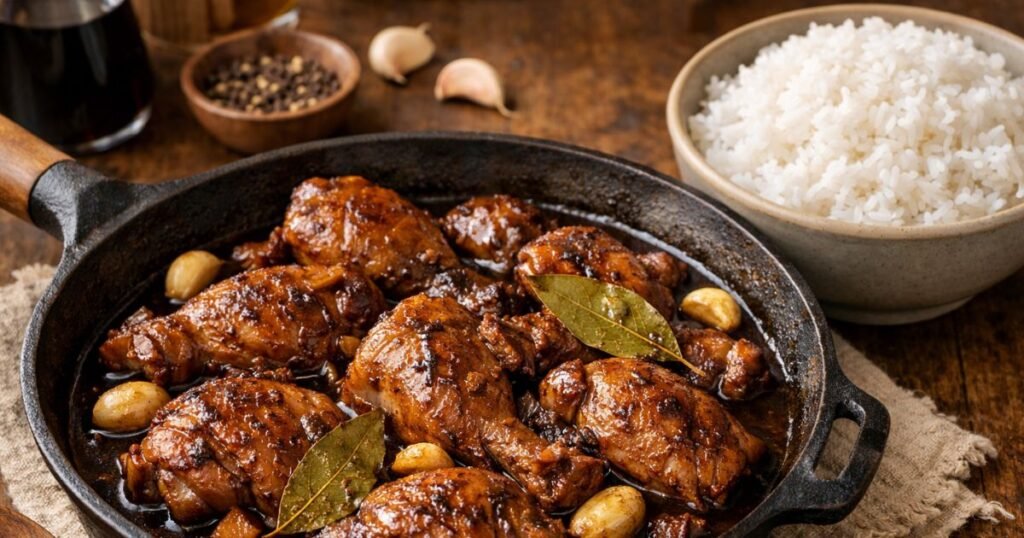
Serving Filipino chicken adobo is an art. It’s not just about putting chicken on a plate. You should ladle lots of sauce over it and serve with rice. Filipinos love their rice, often wanting more to soak up all the sauce.
Perfect Side Dishes
To balance the rich, salty-sour flavors of adobo, consider these complementary side dishes:
- Simple tomato and salted egg salad
- Sautéed bok choy
- Water spinach (kangkong)
- Vinegar-based dipping sauce with chili peppers
Beverage Pairings
While water and iced tea are traditional, adobo pairs well with other drinks:
| Beverage Type | Pairing Notes |
| Beer | Complements the savory flavors |
| Light Red Wines | Offers a sophisticated alternative |
Presentation and Leftovers
Adobo looks great in both family-style and individual servings. Pro tip: Use leftovers to make sandwiches, tacos, or fried rice. This chicken adobo fits effortlessly into your routine, whether you’re cooking a quick weeknight dinner or preparing something special for guests.
Adobo goes beyond being just a dish; it represents a deep connection to Filipino food culture and tradition.
Storing and Reheating Your Filipino Chicken Adobo
Keeping your chicken adobo delicious means storing and reheating it right. This allows you to enjoy the dish across multiple meals without losing quality or flavor. It’s all about taste and keeping it safe to eat.
First, let your adobo cool down to room temperature. Then, put it in an airtight container. Make sure the chicken is covered in sauce to keep it moist. Refrigerate it quickly.
Storage Timeframes and Best Practices
- Refrigerator storage: 3-5 days
- Freezer storage: Up to 3 months
- Use shallow, airtight containers for best preservation
- Always cover completely with sauce
Why Adobo Tastes Better the Next Day
Something special happens when adobo sits. The flavors blend better, the sauce gets thicker, and the chicken soaks up more flavor. Many Filipino home cooks find it tastes even better the next day.
Reheating Methods
- Stovetop (Preferred Method): Warm gently over medium-low heat to maintain texture
- Microwave: Use a covered container with a splash of water to prevent drying
- Room Temperature: Some Filipinos enjoy adobo cold, which intensifies flavor
Sauce Revival and Skin Crisping Tips
If the sauce thickens, add a bit of water or broth to thin it out. To crisp the skin, pan-fry the chicken briefly. This adds a nice crunch.
| Storage Method | Duration | Recommended Technique |
| Refrigerator | 3-5 days | Submerge in sauce, use airtight container |
| Freezer | Up to 3 months | Freeze in portions, remove excess air |
Always check for unusual odors, visible mold, or any changes in color before consuming leftovers. If stored right, your chicken adobo is perfect for meal prep. It keeps its amazing taste.
Nutritional Benefits of This Classic Filipino Dish
Filipino chicken adobo is more than tasty. It also provides valuable nutrients that contribute to overall health.Garlic and vinegar are key, offering antioxidants and helping with heart health and blood sugar.
Bay leaves add vitamins A and C, boosting wellness. Chicken adobo has 300-450 calories per serving, depending on how it’s made.
- Nutritional highlights of chicken adobo include:
- Protein-rich chicken provides essential amino acids
- Garlic offers cardiovascular benefits
- Vinegar may help regulate blood sugar levels
Sodium is something to watch in adobo. Soy sauce can add 800-1200mg of sodium per serving. Watching your salt intake? Here are some tips:
- Use low-sodium soy sauce
- Remove chicken skin to reduce fat
- Increase vegetable ratio
- Serve with brown rice for added fiber
| Nutrient | Average Amount per Serving |
| Calories | 350 |
| Protein | 25g |
| Fat | 15g |
| Carbohydrates | 10g |
Adobo is both tasty and healthy if eaten in moderation. Choosing the right ingredients makes it a nutritious choice. Traditional Filipino chicken dishes offer a balance of rich flavor and nutritional value, making them both satisfying and wholesome.
Conclusion
Mastering Filipino chicken adobo is all about being creative in the kitchen. It’s about finding the right balance of soy sauce and vinegar. This balance is what makes the dish special.
Choosing the right chicken and simmering it long enough is key. You’ll turn simple ingredients into a feast. This is how you make a meal that’s truly memorable.
Every family in the Philippines has their own adobo recipe. You’re now able to adapt the recipe and create a version that feels uniquely your own. Adjusting the seasonings to your liking makes it more than just a recipe. It becomes a family tradition.
Feel free to experiment and adjust the recipe until it reflects your personal taste. This way, your dish will be unique and special.
Adobo is not just a dish; it’s versatile and gets better with time. It’s great for busy days and becomes more flavorful each day. As you get better, you might want to try other Filipino chicken dishes.
This opens a door to a world of delicious flavors. It’s a chance to explore and discover new tastes.
Your journey with chicken adobo is just starting. With time, patience, and passion, you’ll create a dish that connects you to Filipino traditions. Trust yourself and enjoy the journey of making something truly special.
FAQ
What makes Filipino chicken adobo unique compared to other chicken dishes?
Filipino chicken adobo is special because of its marinade. It uses soy sauce and vinegar, giving it a tangy, savory taste. This cooking method tenderizes the meat and lets the flavors soak deep into the chicken.
Is chicken adobo spicy?
Traditional chicken adobo isn’t spicy. But, you can add chili peppers or black pepper to make it spicier. The main flavors come from soy sauce and vinegar.
Can I make adobo with other meats?
Yes, you can! While chicken is common, you can also use pork, beef, or seafood. Each meat adds its own flavor and texture to the dish.
How long can I store chicken adobo?
Chicken adobo can be stored in the fridge for 3-4 days. The taste continues to develop and deepen after it has rested for a day or two.
Is chicken adobo gluten-free?
Traditional chicken adobo isn’t gluten-free because of soy sauce. But, you can make it gluten-free by using tamari or gluten-free soy sauce instead.
What’s the most traditional and flavorful way to serve chicken adobo?
It’s best served with steamed white rice. The rice soaks up the sauce. Some like it with garlic fried rice (sinangag) for extra flavor.
Can I make chicken adobo in a slow cooker?
Yes, a slow cooker is great for chicken adobo. It tenderizes the meat and blends the flavors. Just remember to adjust the liquid to avoid too much reduction.
Are there vegetarian versions of adobo?
Yes, there are vegetarian versions. You can use tofu, mushrooms, or jackfruit as protein. The marinade and cooking method stay the same, keeping the classic adobo taste.
Did You Try Our Recipe?
ksssis
Yes, there are vegetarian versions. You can use tofu, mushrooms, or jackfruit as protein. The marinade and cooking method stay the same, keeping the classic adobo taste.